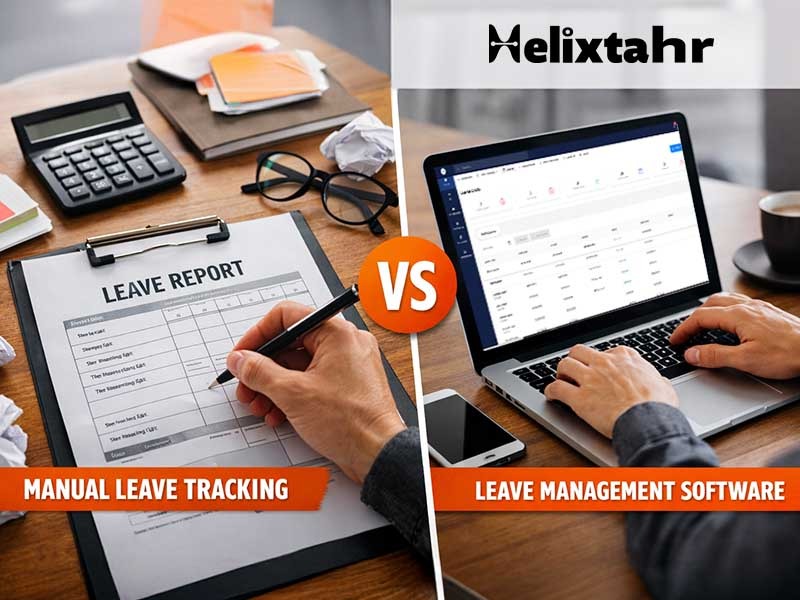
TL;DR
- Manual leave tracking using spreadsheets and emails may seem free, but it carries major hidden costs.
- Common issues include calculation errors, lack of transparency, compliance risks, and excessive HR workload.
- For mid-sized Indian companies, hidden costs can reach ₹12–₹21 lakh per year.
- Leave management software removes errors through automation, offers real-time visibility, and ensures compliance.
- Software subscriptions cost far less than the ongoing losses caused by manual methods.
- Most organizations see a positive ROI within a few months of implementation.
- Clear signs to switch include team growth, frequent disputes, and HR spending too much time on leave administration.
A single spreadsheet error can cost your company thousands of dollars in overpaid leave, compliance penalties, or employee disputes. Yet countless HR professionals still rely on manual leave tracking methods, believing they are saving money with free tools.
The reality tells a different story. Manual leave tracking through spreadsheets, emails, and paper forms carries significant hidden costs that silently drain your organization’s resources. From calculation errors and compliance risks to lost productivity and employee frustration, these costs add up quickly.
This comprehensive comparison of manual leave tracking vs leave management software reveals why growing organizations are making the switch to automation. We will examine the real problems with manual methods, quantify their true costs, and provide you with the evidence needed to build a compelling business case for investing in a proper leave tracking system.
By the end, you will have the arguments and data required to justify this investment to your stakeholders.
What Is Manual Leave Tracking?
Manual leave tracking refers to any non-automated method of recording and managing employee time-off requests. Common approaches include Excel spreadsheets, Google Sheets, paper forms, email chains, and shared calendars.
Many businesses start with these methods for understandable reasons. Spreadsheets are free. Paper forms feel familiar. Email requires no learning curve. For a small team of five or ten employees, manual tracking seems perfectly adequate.
However, as organizations grow, these methods reveal their limitations. What works for a startup quickly becomes unmanageable for a company with fifty employees, multiple leave policies, and compliance requirements. The simplicity that once attracted you to manual methods becomes the very thing holding your HR operations back.
The Hidden Problems with Manual Leave Tracking
Calculation Errors and Data Inaccuracies
Human error is inevitable in manual processes. Research suggests that nearly 88% of spreadsheets contain errors, and leave tracking spreadsheets are no exception. Accrual miscalculations, incorrect balance updates, and formula errors lead to employees receiving more or less leave than entitled.
These leave calculation errors create downstream problems. Overpayments require awkward recovery conversations. Underpayments expose your company to legal action. Either scenario damages trust and consumes valuable HR time to resolve.
Lack of Transparency and Employee Disputes
When leave balances exist only in HR’s spreadsheet, employees cannot verify their own information. This lack of transparency breeds suspicion and frequent inquiries. HR teams spend considerable time answering basic balance questions instead of focusing on strategic initiatives.
Worse, disputes arise when employee records differ from HR records. Without a clear audit trail, resolving these disagreements becomes a frustrating exercise that damages workplace relationships.
Compliance and Legal Risks
Labor laws governing leave entitlements vary by jurisdiction and change regularly. Manual tracking makes compliance enforcement difficult. There is no automatic alert when an employee’s leave violates policy. There is no comprehensive audit trail for regulatory inspections.
When compliance audits occur, HR teams scramble to compile records from scattered spreadsheets and email threads. Missing documentation can result in penalties and legal exposure that far exceed any best HR software subscription cost.
Time Drain and Productivity Loss
Perhaps the most significant manual leave tracking problem is the sheer time investment required. HR professionals report spending five to ten hours weekly on leave administration tasks that software handles in minutes.
Consider the workflow: receiving requests via email, checking balances in spreadsheets, verifying against policy, updating records, notifying managers, and communicating decisions back to employees. Each step introduces delays and opportunities for miscommunication.
The True Cost of Spreadsheet-Based Leave Management
The hidden costs of manual leave tracking become apparent when quantified properly.
HR Time Investment: If your HR administrator spends eight hours every week on leave management at an average cost of ₹2,500 per hour, that adds up to ₹10–11 lakh per year. This time could instead be redirected toward recruitment, employee engagement, or training initiatives that create real business value.
Error Correction Costs: Each leave calculation error requires investigation and correction time. If your team handles just two disputes per month, spending two hours on each, this results in an additional ₹2–2.5 lakh per year in lost productivity.
Compliance Risk Exposure: A single compliance violation can result in penalties ranging from hundreds to thousands of dollars, not including legal fees and reputation damage.
When you total these hidden costs, the spreadsheet vs leave management software comparison shifts dramatically. The “free” spreadsheet often costs more than a proper leave and Attendance tracking system.
What Is Leave Management Software?
Leave management software automates the entire time-off lifecycle, from request submission to approval, balance tracking, and reporting. Modern leave tracking systems operate in the cloud, providing access from any device while maintaining centralized records.
Core features include automated accrual calculations, self-service portals for employees, configurable approval workflows, policy enforcement, calendar integrations, and comprehensive reporting. These systems replace scattered spreadsheets with a single source of truth for all leave data.
Key Benefits of Leave Management Software
Elimination of Calculation Errors
Automated leave tracking benefits begin with accuracy. Leave management software calculates accruals, deductions, and balances automatically based on your configured policies. There are no formula errors, no manual entry mistakes, and no balance discrepancies.
When an employee submits a request, the system instantly validates it against their available balance and applicable policies. Errors are prevented before they occur.
Complete Transparency for Employees and Managers
Employee Self-service portals give real-time visibility into their leave balances, pending requests, and approval status. They no longer need to email HR for basic information.
Managers gain calendar views showing team availability, enabling better resource planning. This transparency reduces inquiries, prevents disputes, and builds trust throughout the organization.
Built-In Compliance and Audit Trails
Leave management software automatically enforces your leave policies, preventing violations before they happen. Every action is logged with timestamps, creating a comprehensive audit trail.
When compliance audits occur, generating required reports takes minutes rather than days. Your organization stays protected with minimal ongoing effort.
Significant Time and Cost Savings
The leave management software benefits compound into substantial time savings. Tasks that consumed hours now require minutes. Approval workflows that took days now complete in hours.
HR teams redirect their time toward strategic initiatives. Managers spend less time on administrative approvals. Employees stop waiting for balance confirmations. Everyone benefits from streamlined processes.
Manual Leave Tracking vs Leave Management Software — Direct Comparison
| Factor | Manual Tracking | Leave Management Software |
| Upfront Cost | Free/Low | Subscription-based |
| Error Rate | High | Minimal |
| Weekly Time Investment | 5-10+ hours | Minutes |
| Compliance Enforcement | Manual | Automatic |
| Employee Transparency | Limited | Real-time |
| Scalability | Poor | Excellent |
| True Long-term Cost | High (hidden) | Predictable and lower |
Calculating the ROI of Leave Management Software
Determining leave management software ROI requires comparing your current hidden costs against software subscription fees.
Start by calculating HR time spent on leave administration weekly, then multiply by hourly cost and weeks per year. Add estimated costs from error corrections, compliance risks, and employee productivity losses.
For a 50-employee company, these hidden costs typically range from ₹12 lakh to ₹20 lakh per year. In comparison, leave management software subscriptions usually cost ₹250 to ₹700 per employee per month, totaling only ₹1.5 lakh to ₹4.2 lakh annually for the same organization.
The ROI becomes obvious. Most organizations achieve payback within the first few months of implementation.
Signs Your Business Has Outgrown Manual Leave Tracking
Consider transitioning to a leave tracking system if you experience any of these indicators:
- Your team exceeds fifteen employees
- Leave disputes occur monthly
- You manage multiple leave policy types
- Remote or distributed workforce requires access
- Compliance audits cause anxiety
- HR spends excessive hours on leave administration
- Employees frequently inquire about balances
- Managers lack visibility into team availability
If three or more apply to your organization, manual methods are likely costing you more than you realize.
How to Build a Business Case for Leave Management Software
Building a compelling case for stakeholders requires documentation and quantification.
First, track the actual time your team spends on leave management for one month. Log every email, spreadsheet update, and employee inquiry. This data provides undeniable evidence of current investment.
Second, document errors and disputes that occur. Each incident reinforces the need for automated accuracy.
Third, apply the ROI framework to calculate potential savings. Present break-even analysis showing when software investment pays for itself.
Finally, address common objections proactively. Yes, there is a learning curve, but modern systems minimize it. Yes, there is a subscription cost, but it is far less than hidden manual costs. The numbers support your case.
Conclusion
While manual leave tracking methods appear free on the surface, the hidden costs of errors, compliance risks, lost productivity, and employee frustration make them far more expensive than investing in proper leave management software.
The comparison is clear. Organizations relying on spreadsheets and paper forms pay a hidden tax in time, money, and risk. Leave management software benefits extend beyond automation to deliver accuracy, transparency, compliance, and strategic value to your HR function.
Use the ROI framework and evidence outlined in this guide to present your case to stakeholders. The numbers will speak for themselves, proving that “free” spreadsheets are actually the more expensive choice.
Still Managing Employee Leave Manually?
Switch from spreadsheets and emails to a simple leave management system designed for growing Indian teams. Save HR time, avoid errors, and stay compliant.
Request a Free DemoNo credit card • Quick walkthrough • India-ready HR solution
Frequently Asked Questions
Manual leave tracking problems include calculation errors, lack of employee transparency, compliance risks, and excessive time consumption. These issues compound as organizations grow.
Leave management software benefits include automated accuracy, real-time transparency, built-in compliance, significant time savings, and better scalability compared to spreadsheet methods.
Yes. HR leave management for small businesses benefits significantly from automation, especially when hidden costs of manual tracking are considered. Most small businesses achieve positive ROI within months.
Companies should consider switching when they exceed fifteen employees, experience regular disputes, manage multiple policies, or find HR spending excessive time on leave administration.